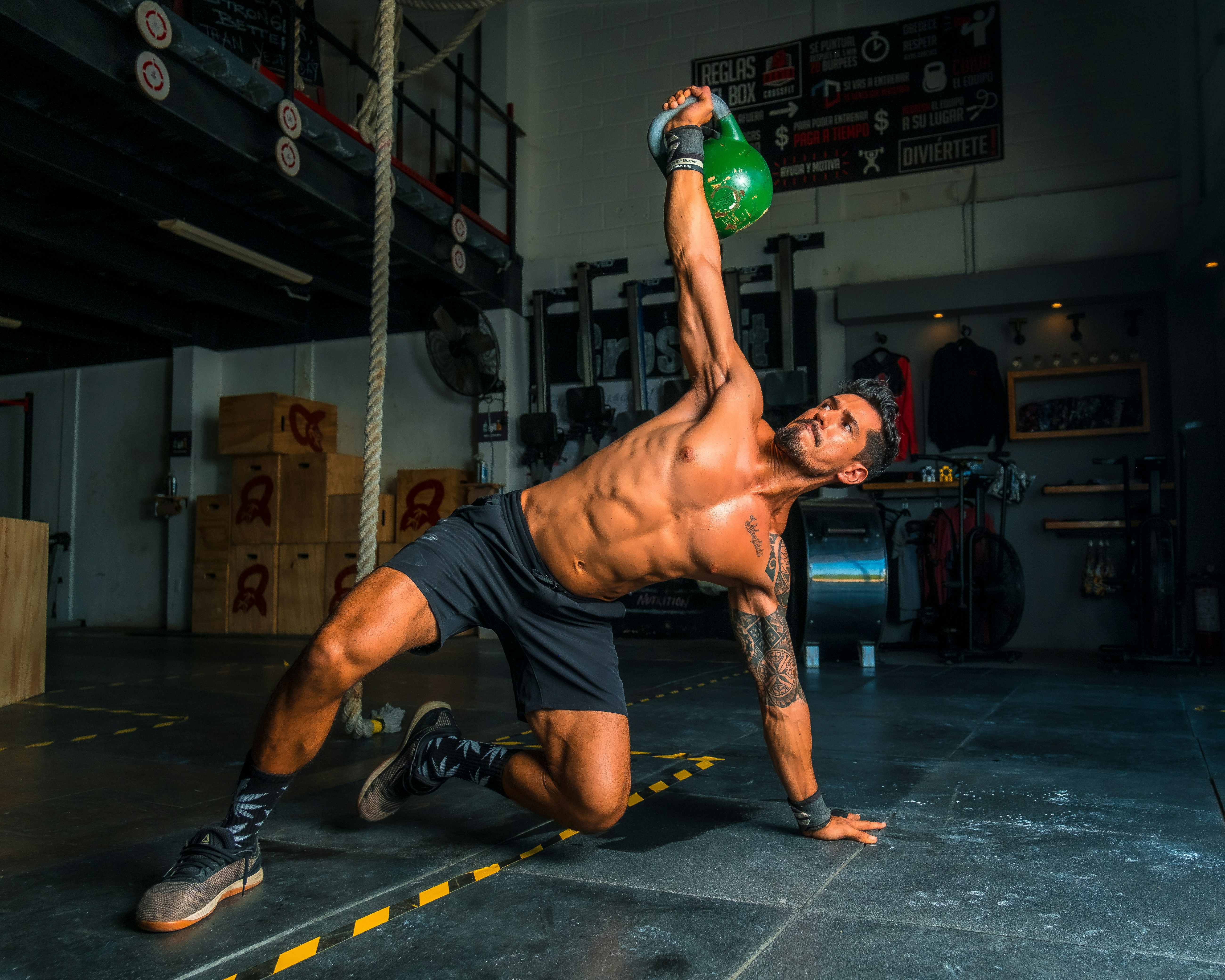
In a fitness culture obsessed with volume and intensity, movement quality is often overlooked. Yet proper form and movement patterns are the foundation of long-term progress, injury prevention, and sustainable training. This article explores why quality trumps quantity.
Why Movement Quality Matters
Movement quality refers to how well you execute exercises—your form, technique, and biomechanical efficiency. Poor movement quality doesn't just limit results; it increases injury risk and creates movement compensations that become harder to correct over time.
Quality movement ensures you're targeting the intended muscles, moving through proper ranges of motion, and creating efficient movement patterns that transfer to daily life and athletic performance.
The Cost of Poor Form
Increased Injury Risk
Compromised form places excessive stress on joints, ligaments, and muscles in ways they weren't designed to handle. Over time, this leads to overuse injuries, chronic pain, and movement limitations.
Inefficient Training
Poor form means you're not effectively loading the target muscles. You might be lifting heavier weights, but if form is compromised, you're not getting the intended training stimulus.
Movement Compensations
Poor movement patterns create compensations—your body finds "easier" ways to complete movements that bypass weak or tight areas. These compensations become ingrained and are difficult to correct later.
Assessing Movement Quality
Key Indicators of Quality Movement
- Control: You can pause and reverse the movement at any point
- Symmetry: Both sides move equally and efficiently
- Full Range of Motion: Moving through intended ranges without compensation
- Stability: Maintaining proper alignment throughout the movement
- Breathing: Coordinated breathing that supports the movement
Red Flags of Poor Movement
- Excessive joint movement or instability
- Asymmetrical movement patterns
- Compensatory movements (e.g., lower back arching during squats)
- Inability to control the eccentric (lowering) phase
- Pain or discomfort during movement
Building Movement Quality
Start with Bodyweight
Before adding load, master movements with bodyweight. This allows you to focus on form without the distraction of managing weight. Only progress to loaded variations when bodyweight movements are flawless.
Use Tempo Training
Slow, controlled movements (e.g., 3-4 second eccentrics) improve movement quality by increasing time under tension and forcing proper control. Tempo training reveals weaknesses and compensations that fast movements can hide.
Video Analysis
Recording your lifts from multiple angles provides objective feedback. Compare your form to quality examples and identify areas for improvement. What feels right isn't always what looks right.
Work with a Coach
A qualified coach can provide real-time feedback, identify movement issues you can't see, and provide corrective exercises. Even a few sessions can dramatically improve movement quality.
Common Movement Quality Issues
Squat Issues
- Knee Valgus: Knees caving inward—often indicates weak glutes or tight adductors
- Forward Lean: Excessive forward lean—may indicate ankle mobility or core stability issues
- Heel Rise: Heels lifting off ground—often ankle mobility or hip mobility related
Deadlift Issues
- Rounded Back: Lumbar spine flexion—indicates core weakness or poor bracing
- Hip Rise First: Hips rising before bar—indicates weak posterior chain or poor setup
- Bar Drift: Bar moving away from body—reduces efficiency and increases injury risk
Pressing Issues
- Shoulder Impingement: Poor shoulder positioning causing pain—often mobility or stability related
- Excessive Arch: Overarching lower back—indicates poor core stability
- Asymmetrical Movement: One side moving differently—indicates strength or mobility imbalances
Corrective Strategies
Mobility Work
Address mobility restrictions that limit movement quality. Common areas needing attention include ankle dorsiflexion, hip mobility, thoracic spine extension, and shoulder mobility.
Stability Training
Improve stability in weak areas. Core stability, scapular stability, and hip stability are foundational for quality movement.
Regress to Progress
If movement quality breaks down, regress to an easier variation. This might mean reducing weight, using a simpler exercise, or focusing on partial ranges of motion until quality improves.
"Perfect practice makes perfect. Poor practice makes poor movement patterns that are difficult to unlearn."
Quality vs. Quantity: Finding Balance
This doesn't mean you should never push volume or intensity. Rather, quality should be the foundation. Once movement quality is established, you can progressively increase volume and intensity while maintaining form.
The rule: If you can't maintain quality, reduce volume or intensity. It's better to do fewer perfect reps than many compromised ones.
Long-Term Benefits
Prioritizing movement quality provides:
- Sustainable long-term progress
- Reduced injury risk
- Better transfer to daily activities
- Improved athletic performance
- Greater training longevity
Conclusion
Movement quality is the foundation of effective, sustainable training. While volume and intensity matter, they're meaningless if movement quality is compromised. Invest time in learning proper form, addressing movement limitations, and maintaining quality as you progress. Your future self will thank you.